The Ultimate Ironman Bike Leg Fuelling Strategies
.PNG/v1/fill/w_320,h_320/file.jpg)
Completing the Ironman bike leg requires more than just physical strength and endurance. Your fuelling strategy can make or break your race, especially when the temperature rises. For a typical 72KG male AG athlete, managing carbohydrate intake, hydration, and electrolytes during the bike leg is crucial to maintain energy, avoid cramps, and prevent dehydration. This guide breaks down the best fuelling approach tailored for regular and hot climate races, helping you stay strong and focused from start to finish
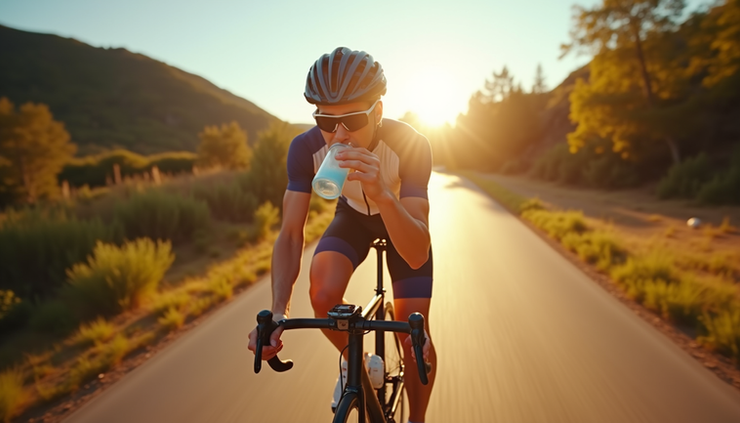
Understanding Energy Needs on the Bike Leg
The Ironman bike leg covers 180 kilometers and typically lasts between 4.5 to 6 hours for most age-group athletes. For a 72kg male, energy expenditure during this phase ranges from 600 to 900 calories per hour depending on pace and terrain. Your fuelling strategy must supply enough carbohydrates to sustain this energy output without causing gastrointestinal distress
Carbohydrate intake target: Aim for 60 to 90 grams of carbs per hour on the bike
Caloric intake: Roughly 240 to 360 calories per hour from carbs
Fuel sources: Easily digestible, quick-release carbohydrates like gels, drinks, and bars
Consuming carbs at this rate helps maintain blood glucose levels and spares muscle glycogen, delaying fatigue and improving overall performance.
Recommended Carb Gels and Timing
Carb gels are a convenient and effective way to meet your carbohydrate needs during the bike leg. For hot climates, gels with added electrolytes and a moderate sugar concentration work best to support hydration and energy
Top Carb Gel Choices
GU Energy Gel: Contains 22 grams of carbs per gel, plus sodium and potassium
SIS GO Isotonic Gel: Provides 22 grams of carbs, designed to be taken without extra water
Clif Shot Energy Gel: Offers 25 grams of carbs with added electrolytes
Maurten Gel 100: Uses hydrogel technology for easy digestion and 25 grams of carbs (take note of Maurten's comments on water hardness versus efficacy)
Gel Consumption Strategy
Start taking gels 30 minutes into the bike leg
Consume one gel every 30 to 40 minutes
Follow each gel with 150 to 250 ml of fluid to aid absorption, many pros mix the gel with the water
Adjust timing based on your stomach tolerance and race conditions, bike being the ideal time for consumption
This approach ensures a steady supply of carbohydrates without overwhelming your digestive system
Fluid Intake Guidelines for Hot Climates
Heat increases sweat rate, which can lead to rapid fluid loss and dehydration. Fluid intake must be carefully managed to replace sweat losses and maintain performance
Sweat rate: Can range from 1 to 2 liters per hour in hot weather
Fluid intake target: Aim to drink 600 to 900 ml of fluid per hour on the bike
Drink type: Use electrolyte-enhanced sports drinks to replace lost salts Take home tip: if you feel thirsty then you're already dehydrated
Practical Tips for Hydration
Start the bike leg well-hydrated
Sip fluids regularly rather than gulping large amounts, some smart devices allow you to set reminders or alarms to do this
Use two bottles on your bike: one with plain water and one with an electrolyte drink (be smart, use a bottle whose top is simple to open if you're going to use aid stations to replenish water, or a disposable bottle if you're going to jetison it in favour of an increasingly rare race bottle from the aid station) - between aerobottle bars already facilitate topping up, behind saddle less so
Monitor urine color and thirst cues during training to fine-tune your hydration plan
Avoid overhydration, which can cause hyponatremia, a dangerous drop in blood sodium levels.
Electrolyte Recommendations
Electrolytes like sodium, potassium, magnesium, and calcium are lost through sweat. Replenishing them is essential to prevent muscle cramps, maintain nerve function, and support fluid balance.
Key Electrolyte Targets
Sodium: 500 to 700 mg per hour.
Potassium: 150 to 250 mg per hour.
Magnesium and calcium: Smaller amounts but still important.
Sources of Electrolytes
Electrolyte drinks formulated for endurance athletes.
Salt tablets or capsules if sweat rate is very high.
Gels with added electrolytes.
Natural sources like salted nuts or pretzels during aid station stops
Remember, your kit shorts, legs, offer a good place to store sachets, ditto just tucked down the top of your tri kit top
Test your electrolyte needs in training to avoid surprises on race day.
Adjusting Strategy for Hot Climate Races
Heat stress changes how your body handles fuel and fluids. You sweat more, your gut may slow digestion, and your risk of dehydration rises. Here’s how to adapt your fuelling plan:
Increase fluid intake to match higher sweat rates but avoid drinking beyond thirst.
Choose gels with electrolytes to replace salts lost in sweat.
Consume slightly fewer carbs per hour if your stomach feels unsettled, focusing on hydration.
Practice your race fuelling plan in heat during training to build tolerance.
Use cooling strategies like ice packs or cold water sprays to reduce core temperature.
By tuning your fuelling to the heat, you reduce the risk of bonking and heat-related illnesses.
Sample Fuelling Plan for a 72KG Male in Hot Weather
| Time (minutes) | Fuel Type | Quantity | Notes |
|----------------|---------------------|-------------------|--------------------------------|
| 0 | Electrolyte drink | 500 ml | Start hydrated |
| 30 | Carb gel + water | 1 gel + 200 ml | First gel |
| 60 | Electrolyte drink | 500 ml | Maintain hydration |
| 70 | Carb gel + water | 1 gel + 200 ml | Second gel |
| 100 | Electrolyte drink | 500 ml | Continue hydration |
| 110 | Carb gel + water | 1 gel + 200 ml | Third gel |
| 140 | Electrolyte drink | 500 ml | Hydration focus |
| 150 | Carb gel + water | 1 gel + 200 ml | Fourth gel |
| 180 | Electrolyte drink | 500 ml | Final hydration push |
Adjust quantities based on your sweat rate and stomach comfort.
Training Your Gut for Race Day
Your digestive system needs training just like your muscles. Practice your fuelling and hydration plan during long training rides in hot conditions. This helps your gut adapt to absorbing carbs and fluids under stress, reducing the chance of nausea or cramps on race day.
Test different gel brands and flavors.
Experiment with fluid volumes and timing.
Include electrolyte supplements if needed.
Note any symptoms and adjust accordingly.
Building confidence in your fuelling plan is key to executing it successfully during the race.


Comments